 |
Rowenas World of TravelWe Fulfill Your Travel Dream |
|
|
Rowenas World of TravelWe Fulfill Your Travel Dream |
|

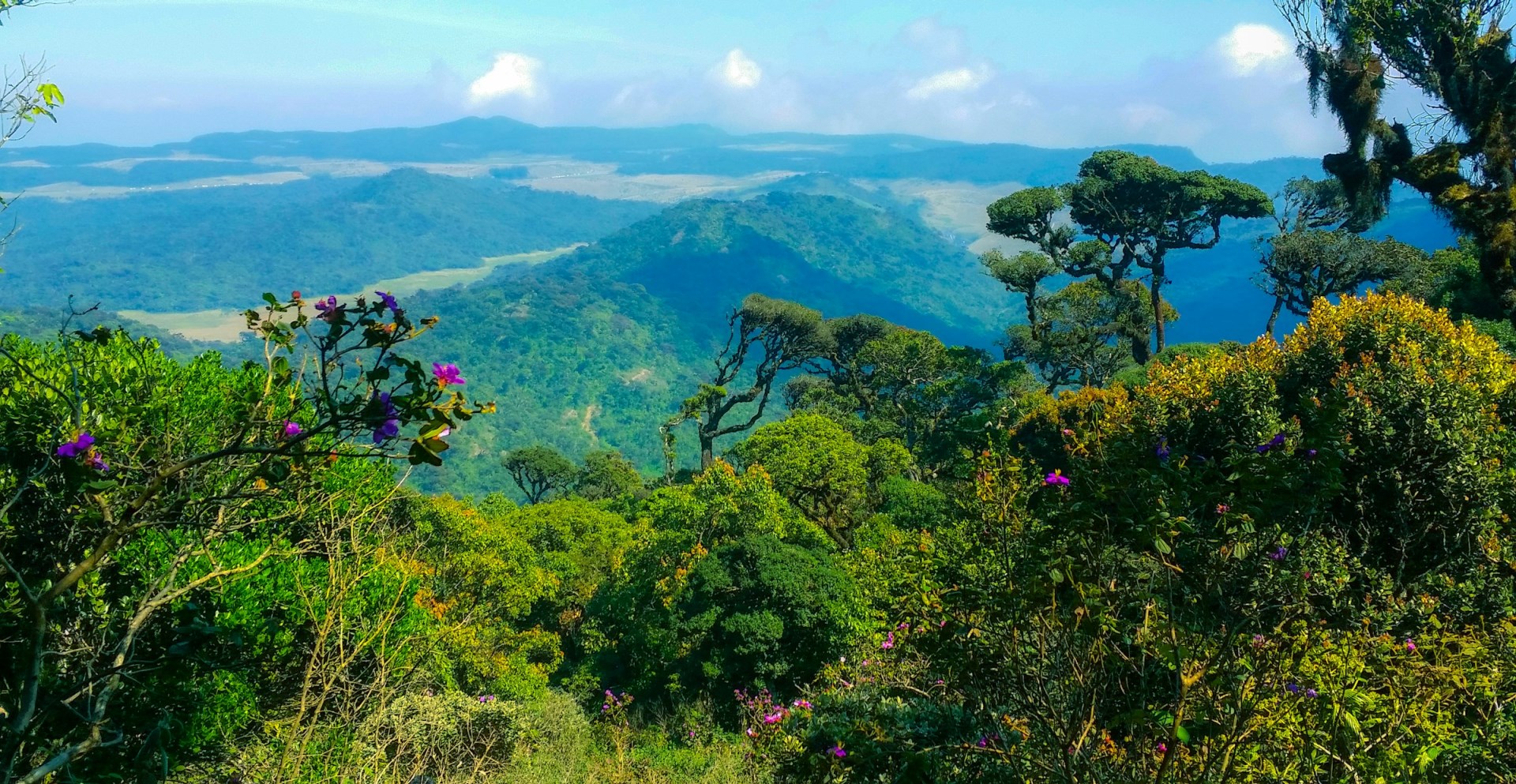
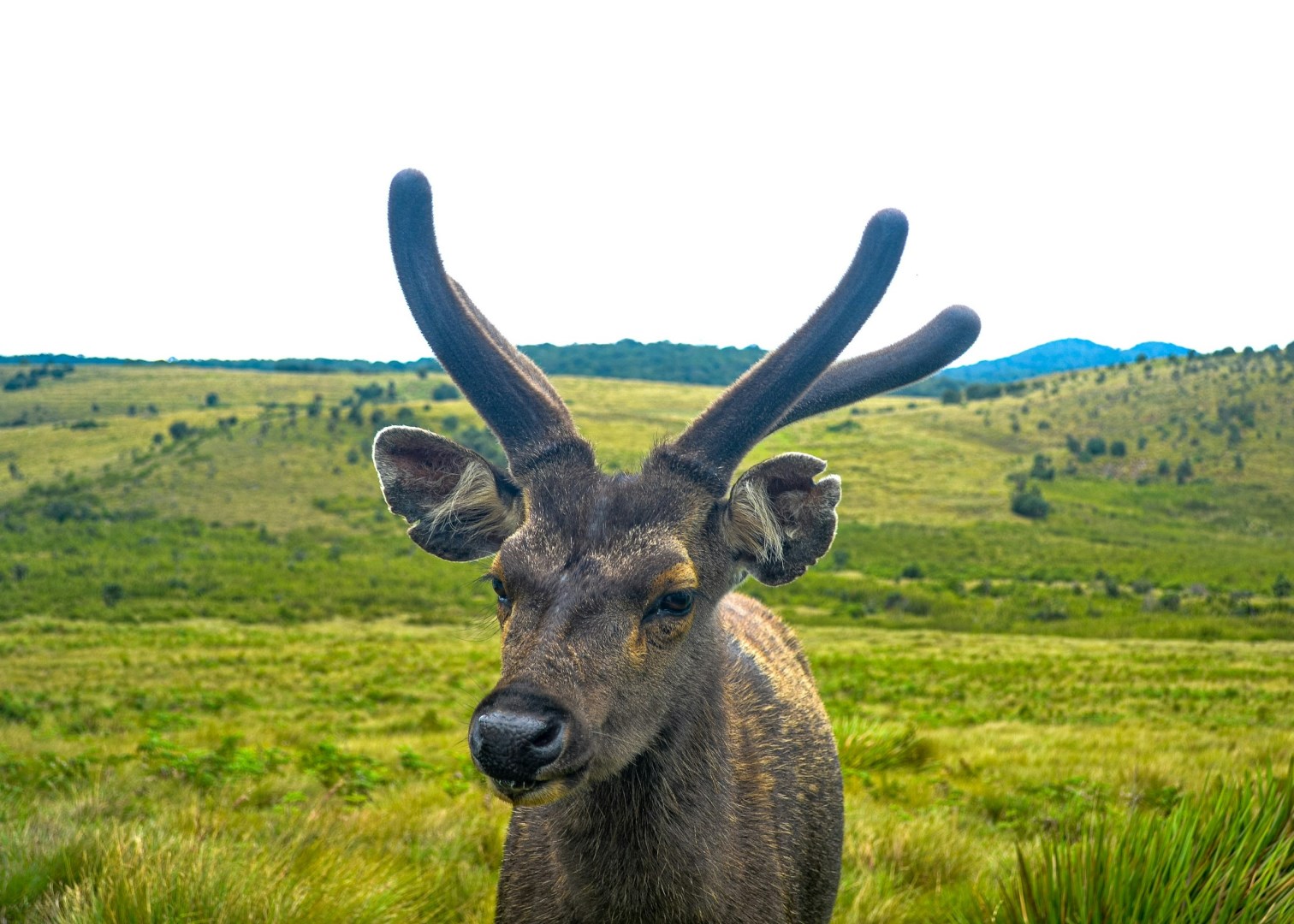

Horton Plains National Park is a high-altitude protected area in Sri Lanka’s central highlands, covering a landscape of grasslands, cloud forest, marshes, and rocky slopes. Located near Nuwara Eliya, the park sits at elevations above 2,000 metres, giving it a cool and often misty climate. Its open plateaus contrast with dense patches of montane forest, while streams and small waterfalls drain the high ground. The park is also an important source of several rivers and supports plant and animal species adapted to Sri Lanka’s cool mountain environment.
Horton Plains has a distinctive ecological and cultural identity within Sri Lanka’s central mountains. The area is traditionally known as Maha Eliya Thenna, meaning Great Open Plain, reflecting its broad grass-covered landscape. It is also closely associated with the indigenous flora and fauna of the central highlands, including species found nowhere else in the world. The park forms part of the Central Highlands of Sri Lanka, a UNESCO World Heritage property that includes important montane ecosystems. Its protected status helps preserve both the landscape and the habitats of many endemic species.
The most recognizable landmark is World’s End, a dramatic escarpment where the plateau drops sharply toward the valleys below. On clear mornings, the viewpoint can provide wide views across the surrounding highlands and toward the southern lowlands. A second viewpoint, known as Mini World’s End, offers a smaller but still significant escarpment. Baker’s Falls is another popular feature, reached by a walking trail through grassland and forest. The circular trail linking these sites is one of the park’s main visitor routes and passes through several distinct vegetation zones.
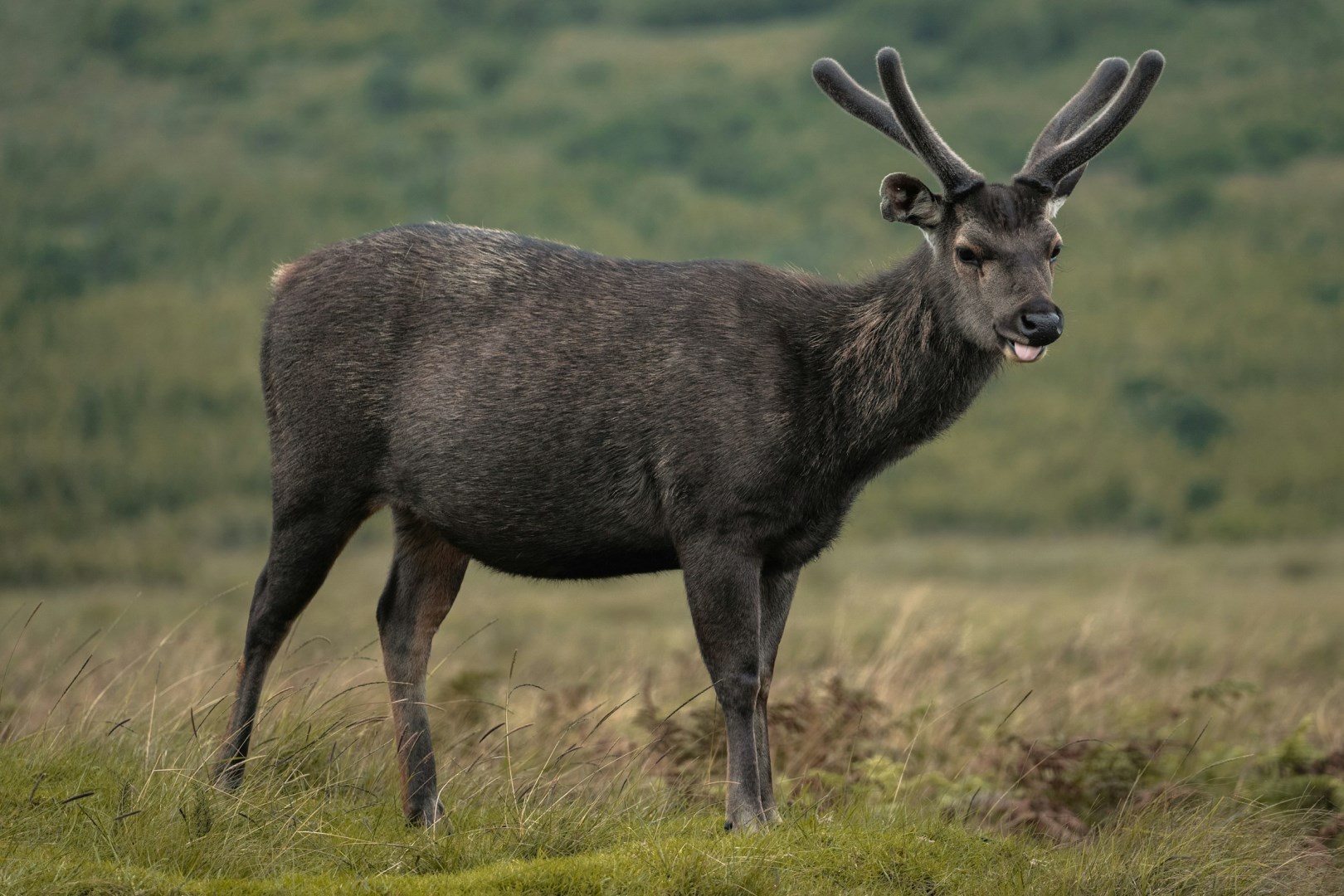
Horton Plains is particularly important for wildlife, with species such as the Sri Lankan sambar deer commonly seen in the open grasslands. The park also provides habitat for endemic birds, amphibians, reptiles, and plants, including the purple-faced langur in its forest areas. Its vegetation includes rhododendrons, tree ferns, and other montane species adapted to cool, wet conditions. A notable detail is the park’s role as a watershed: streams originating in the highlands feed major rivers, linking Horton Plains to water systems far beyond the protected area. The combination of high-altitude grassland, cloud forest, waterfalls, and endemic wildlife makes the park one of Sri Lanka’s most distinctive natural landscapes.


