|
Rowenas World of TravelWe Fulfill Your Travel Dream |
|
|
Rowenas World of TravelWe Fulfill Your Travel Dream |
|

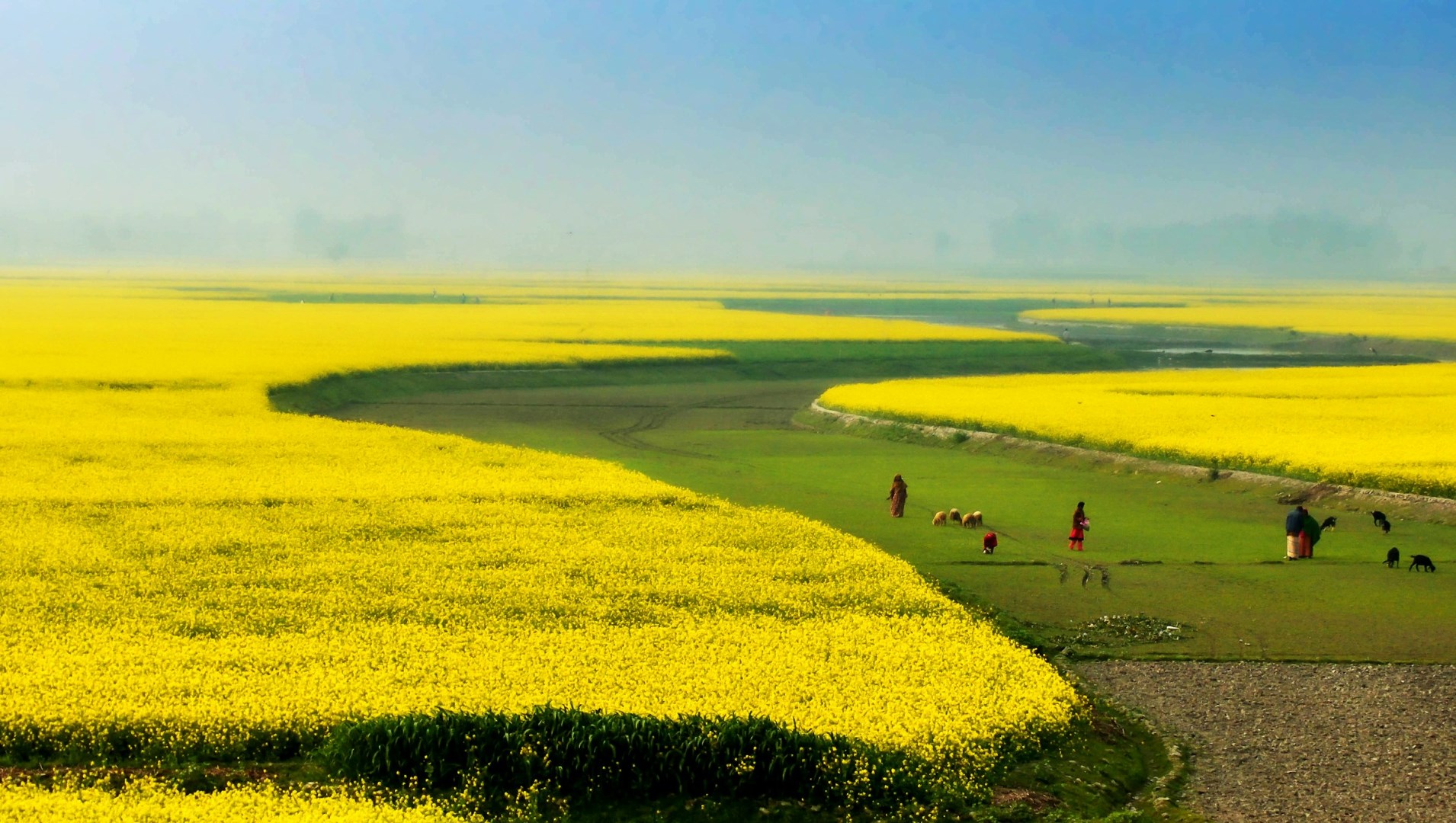
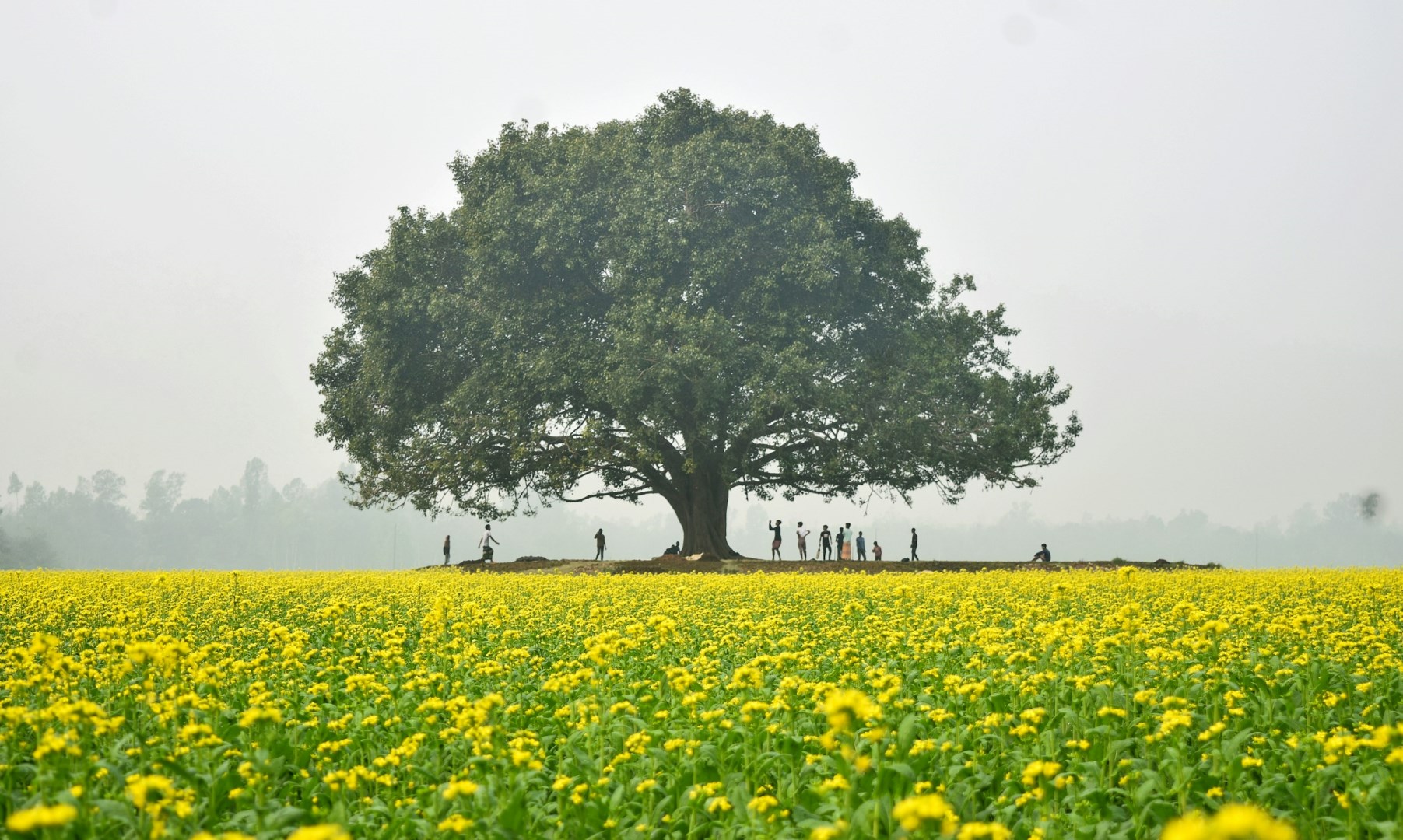
Sirajganj is a riverside district in northwestern Bangladesh, located along the Jamuna River and shaped by the shifting channels, sandbars, and fertile floodplains of the river system. The district is known for agriculture, weaving, livestock, and river-based commerce, with Sirajganj town serving as an important regional center. Its landscape changes noticeably with the seasons as river levels rise and fall, exposing temporary chars and renewing farmland with silt. The surrounding countryside combines cultivated fields, villages, wetlands, and broad river views characteristic of central Bangladesh.
Sirajganj has a strong connection with Bengali literary and religious heritage. The district is associated with poet and mystic Hason Raja, while Shahjadpur is linked to Rabindranath Tagore, who stayed at the Kuthibari there. The Kuthibari is now a museum displaying objects and information connected with the poet’s life and work. Traditional weaving is another important part of local identity, particularly in the Belkuchi and Shahjadpur areas, where handloom production has long supported village communities. Local religious traditions include mosques, Hindu temples, and shrines found throughout the district.
The Jamuna River is the defining natural feature of Sirajganj, providing opportunities to observe river life, fishing activity, agricultural settlements, and seasonal chars. The Jamuna Bridge, located near the southern part of the district, is a major transportation landmark connecting eastern and western Bangladesh. Sirajganj also contains the Bangabandhu Sheikh Mujib Safari Park area and several wetlands and rural landscapes that support birds and aquatic wildlife. During the monsoon, the expanded waterways transform much of the countryside, while the dry season reveals sandbars and additional areas used for cultivation and grazing.
Food in Sirajganj reflects the agricultural and riverine character of the district, with rice, freshwater fish, vegetables, lentils, and dairy products forming important parts of local cuisine. Sirajganj is particularly known for its dairy production, while handloom weaving remains an important traditional industry in the district. A distinctive feature of the area is the way the Jamuna influences both livelihood and landscape: river erosion and sediment deposition continually reshape farmland and settlements, while fishing, farming, transport, and trade remain closely connected to the water. This combination gives Sirajganj a strong identity as a river-based agricultural and craft region.